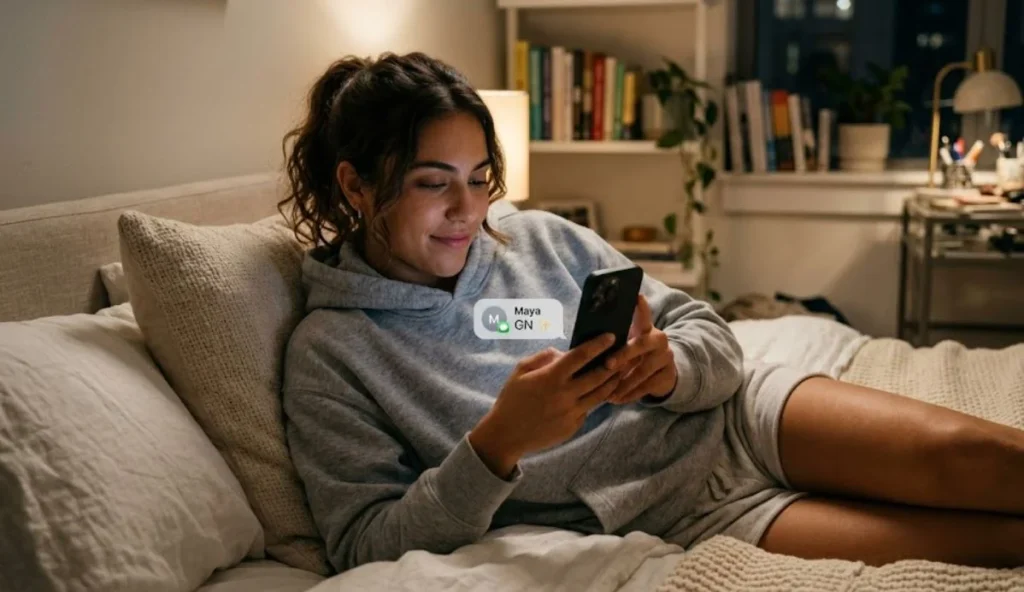
The Digital “Goodnight”
Why the GN Meaning Matters More Than You Think
In the fast-paced world of digital communication, we often find ourselves speaking a language of shortcuts. Among the most common—and occasionally most misunderstood, is the simple “GN.” If you’ve ever seen these two letters pop up on your screen at the end of a long night and wondered if it was a warm farewell or a cold dismissal, you aren’t alone.
As an expert in modern communication, I’ve watched how these tiny linguistic markers act as the “social glue” of our online lives. People search for the GN meaning because, while the letters are simple, the subtext is often complex. Understanding how to use it, and how to read it, is essential for anyone navigating the nuances of 2026’s digital etiquette.
GN Meaning – A Quick Definition
At its core, GN is the universal shorthand for “Good Night.” It serves as a digital “sign-off,” indicating that the sender is either heading to sleep or ending their social interaction for the evening. It is the virtual equivalent of turning off the lights before leaving a room.
- “I’m exhausted. GN!”
- “GN everyone, see you at the gym tomorrow.”
- “That movie was wild. GN.”
Origin & Background: The Evolution of the Sign-Off
The origin of GN dates back to the early days of the internet, specifically the era of IRC (Internet Relay Chat) and early SMS texting. Back then, we were limited by character counts and the physical difficulty of typing on numeric keypads. “GN” wasn’t just a choice; it was a necessity for speed.
As we moved into the era of smartphones, GN didn’t disappear; it evolved. It transitioned from a technical shortcut into a cultural vibe. Today, on platforms like TikTok and Instagram, “GN” is often used in “photo dumps” or late-night stories to signal a moment of peace. It has become a staple of “Gen Z” and “Gen Alpha” slang, but its roots remain firmly planted in the basic human need for a polite exit.
Real-Life Conversations: GN in the Wild
To truly grasp how GN functions, we have to look at the emotional weight it carries in different scenarios.
Scenario 1: The Late-Night Deep Dive (WhatsApp)
Person A: I honestly think that’s why the ending of the show didn’t make sense.
Person B: Exactly! I could talk about this for hours but my eyes are literally closing.
Person A: Haha, fair enough. Get some rest. GN!
Person B: GN 😴
Scenario 2: The Casual Group Chat (Discord)
Person A: Anyone up for one more match?
Person B: I’m out, got a 6 AM shift.
Person C: Same. GN boys.
Person A: Peace.
Scenario 3: The “Thinking of You” (iMessage)
Person A: Just got home. Thanks for tonight, it was fun.
Person B: I’m glad! I’m heading to bed now.
Person A: GN 🙂
Emotional & Psychological Meaning
Why do we bother sending those two letters instead of just putting the phone down? Psychologically, “GN” represents closure and acknowledgement.
In digital spaces, a conversation that simply stops feels “open” and can lead to minor social anxiety—the dreaded feeling of being “ghosted” or ignored. By sending a GN, you are providing a clear boundary. You are saying, “I am no longer available, but I value you enough to tell you why.”
From my experience, the most impactful “GN” messages are those that bridge the gap between a screen and a heartbeat. It reveals a level of digital mindfulness—an awareness that there is a real person on the other side of that blue bubble waiting for a conclusion to the day’s interaction.
Usage in Different Contexts
The meaning of GN can shift dramatically depending on where it’s typed.
- Social Media: On platforms like TikTok, “GN” is often used as a final comment on a post or a way to end a “Live” stream. It’s public and friendly.
- Friends & Relationships: Here, it’s personal. A “GN” from a partner often carries a “thinking of you” sentiment.
- Work / Professional Settings: Use with caution. While many remote teams are casual, “GN” might come across as too informal for a boss or a new client. Stick to “Good night, everyone” or “Closing out for the day.”
- Casual vs. Serious: A “GN” with a period (GN.) can feel abrupt or even angry, whereas “GN!” or “GN ✨” feels warm and inviting.
When NOT to Use It
As useful as it is, there are times when “GN” is the wrong move.
- In Formal Correspondence: Never end a business email or a cover letter with “GN.” It undermines your authority.
- During an Unresolved Conflict: If you’re in the middle of a serious discussion, dropping a “GN” and disappearing can be seen as “stonewalling.”
- To Non-Digital Natives: If you’re texting an older relative who isn’t familiar with internet shorthand, they might think you’ve made a typo or are being dismissive.
Common Misunderstandings
The most common mistake people make with “GN” is misinterpreting the tone. Because it’s so short, it’s easy to project your own feelings onto it. If you’re feeling sensitive, a “GN” might feel short or “curt.”
Additionally, some people assume “GN” is a literal statement that the person is going to sleep right now. In reality, it often just means “I am done talking for the night.” They might stay up for another hour reading or watching a movie, but the “GN” signals the end of their social availability.
Comparison: GN vs. Other Sign-offs
| Term | Tone | Best Used For… |
| GN | Casual / Quick | Close friends, DMs, Daily use |
| Gnight | Soft / Affectionate | Significant others, Family |
| Good Night | Formal / Sincere | Professional peers, Older relatives |
| I’m Out | Assertive / Cool | Group chats, Gaming, Casual hangouts |
| Talk Tomorrow | Productive | Work colleagues, Planning phases |
Key Insight: While GN is the most efficient, “Gnight” or “Good night” often carries more emotional warmth. If you want to make sure the other person feels appreciated, adding that extra “ight” can make a world of difference.
10 Variations of GN You Should Know
- GNN: Good Night Now (Often used when a conversation is dragging).
- GNBB: Good Night Baby/Bae (Strictly for romantic partners).
- GN/SD: Good Night and Sweet Dreams (The classic caring version).
- GN ily: Good Night, I love you (Common for close friends/partners).
- GN 🌙: The “Aesthetic” sign-off.
- GTS: Go To Sleep (A playful nudge to someone staying up too late).
- Nighty Night: A whimsical, affectionate version.
- Peace Out: A more casual, high-energy way to leave.
- GN All: Used for addressing a group or community.
- Sleep Tight: A traditional wish for a restful sleep.
How to Respond When Someone Uses It
If someone sends you a “GN,” you should generally match their energy.
- Casual: “Same here, GN!”
- Funny: “Don’t let the bedbugs bite… or do, I’m not a cop.”
- Mature: “Rest up, we’ll pick this up tomorrow.”
- Respectful: “Good night! Thanks for the chat.”
For a deeper look at how internet slang is changing the way we connect, check out wordyex.com for more guides on modern communication.
Regional & Cultural Usage
- Western Culture: “GN” is the standard. It is seen as a polite, efficient end to a digital day.
- Asian & Middle Eastern Culture: While English shorthand is common, many cultures prefer using emojis like 💤 or 🌑 to signify rest, as direct translations of “Good Night” are often more formal than the English “GN.”
- Generational Gap: For Gen Z, “GN” is almost mandatory for closure. For Boomers, receiving a “GN” might feel confusing compared to a full “Good night.”
To see how these terms are formally categorized, you can explore the Linguistic Society of America for research on how computer-mediated communication affects human language.
Is It Safe for Kids?
Absolutely. “GN” is a harmless, polite acronym. There are no hidden “dark” meanings or adult connotations associated with it. It is one of the safest pieces of slang a child can use.
FAQs
Does GN mean anything other than Good Night?
In nearly every texting and social media context, it strictly means “Good Night.”
Is it rude to just say “GN”?
It depends on the relationship. Between close friends, it’s normal. For someone you are just getting to know, “Good night!” feels slightly warmer.
Why do people say GN on TikTok?
It’s a way to signal the end of their day or to close out a comment section on a late-night post.
What should I say instead of GN?
You can use “Gnight,” “Sleep well,” or “Talk to you in the morning.”
Conclusion: Rest Easy
At the end of the day, “GN” is about more than just two letters on a screen. It’s a small, human gesture in a world of algorithms. It says that despite the distance and the digital divide, we still care enough to say goodbye before we close our eyes.
So, the next time you’re ready to drift off, don’t be afraid to drop a “GN” in the chat. It’s a simple way to stay connected, maintain your boundaries, and end your day on a positive note. Confidently embrace the shorthand—your friends (and your sleep schedule) will thank you.
gn meaning, What It Really Means in Texts, Chats, and Social Media
If you spend time on Snapchat, WhatsApp, Instagram, or late-night text conversations, you’ve probably seen someone type “GN” before disappearing offline.
At first glance, it looks simple. But depending on the context, tone, and relationship between two people, “GN” can feel warm, cold, romantic, caring, awkward, or even passive-aggressive.
That’s exactly why so many people search for the GN meaning online.
In modern digital communication, short slang terms carry emotional weight. A tiny two-letter message can completely change the mood of a conversation.
This guide explains what “GN” means, where it came from, how people use it today, and what it emotionally signals in real conversations.
GN Meaning – Quick Definition
gn meaning simply stands for:
Good Night
People use it when ending a conversation before going to sleep.
It’s commonly used in:
- Text messages
- WhatsApp chats
- Instagram DMs
- Snapchat
- TikTok comments
- Gaming chats
Simple Examples
“I’m exhausted. GN 😴”
“Talk tomorrow. GN!”
“GN, sleep well ❤️”
The tone changes depending on:
- Emojis
- Relationship
- Timing
- Conversation mood
A plain “GN” may feel casual, while “GN ❤️” feels affectionate and personal.
The Origin & Background of GN
The abbreviation “GN” became popular during the early mobile texting era when people tried to save time and characters.
Back when SMS messages had strict character limits, short forms became part of online culture:
- LOL
- BRB
- TTYL
- OMG
- GN
As smartphones and social apps evolved, “GN” stayed popular because it feels fast, familiar, and emotionally lightweight.
Social Media Influence
Platforms like Snapchat, Instagram, and TikTok helped normalize short emotional expressions.
People now communicate feelings using:
- abbreviations
- emojis
- reactions
- short phrases
“GN” became more than just “good night.” It turned into a subtle emotional signal.
Sometimes it means:
- “I care about you.”
- “I’m done talking.”
- “I’m upset.”
- “I’m sleepy.”
- “I still wanted to message you before bed.”
That emotional flexibility is why the term still matters.
If you enjoy decoding internet slang and texting culture, you can also explore similar communication trends on WordyEx.
Real-Life Conversations Using GN
WhatsApp Conversation
Person A:
You still awake?
Person B:
Barely 😭
Person A:
Long day?
Person B:
Yeah. GN, talk tomorrow ❤️
This version feels caring and emotionally warm.
Instagram DM
Person A:
You ignored my meme 😑
Person B:
I fell asleep lol
Person A:
Sure you did
Person B:
GN 😂
Here, “GN” feels playful and teasing.
TikTok Comment Section
User 1:
Why am I scrolling at 3 AM again
User 2:
Same. GN to our sleep schedules 💀
This usage is humorous and relatable.
Text Message Between Friends
Person A:
Exam tomorrow. I’m stressed.
Person B:
You’ll do fine. Sleep early.
Person A:
Trying 😭 GN
This version carries emotional exhaustion and vulnerability.
Emotional & Psychological Meaning of GN
One reason “GN” matters so much is because nighttime conversations feel emotionally different from daytime chats.
People tend to become:
- more honest
- softer emotionally
- reflective
- lonely
- affectionate
Sending “GN” can create emotional closure.
It tells someone:
- “I’m thinking about you before sleeping.”
- “This conversation mattered.”
- “I don’t want to disappear without saying goodbye.”
What It Reveals About Modern Communication
Today’s communication style is fast but emotionally coded.
A short message can carry:
- affection
- sarcasm
- disappointment
- comfort
Many people even notice emotional changes through texting habits.
For example:
- “Goodnight 😊” feels warm
- “gn” feels neutral
- “GN.” may feel cold or irritated
Tiny differences matter online.
Personal-Style Scenario
A lot of people have experienced this moment:
You’re waiting all night for someone special to message you. Finally, your phone lights up with:
“GN ❤️”
It’s only two letters and an emoji, but suddenly your mood changes completely.
That’s the emotional power of digital language.
Usage in Different Contexts
Social Media
On apps like Snapchat and TikTok, “GN” is casual and fast.
People use it:
- before logging off
- during streaks
- in comments
- in private chats
Sometimes it’s serious. Sometimes it’s ironic.
Friends & Relationships
Among close friends:
“GN bro”
In romantic conversations:
“GN babe ❤️”
Tone changes everything.
Couples often use longer versions like:
- “Goodnight love”
- “GN sweetheart”
- “GN, dream about me”
Work & Professional Settings
“GN” is usually too casual for formal communication.
Avoid using it in:
- office emails
- professional Slack messages
- academic communication
Instead, write:
“Good night everyone.”
or
“Have a good evening.”
Professional communication values clarity and tone.
Casual vs Serious Tone
“GN” can sound:
- caring
- distant
- rushed
- loving
- sarcastic
Examples:
“GN :)” → friendly
“gn.” → possibly annoyed
“GN ❤️” → affectionate
Digital tone depends heavily on punctuation and emojis.
When NOT to Use GN
Although harmless, “GN” isn’t appropriate everywhere.
Avoid It In:
- Formal emails
- Workplace conversations with senior staff
- Serious emotional discussions
- Sensitive family situations
- Professional customer communication
Potential Misunderstandings
A short “GN” during an emotional conversation may seem dismissive.
Example:
Person A:
I’m really upset right now.
Person B:
GN
That response may feel emotionally cold, even if the person was simply tired.
Context matters.
Common Misunderstandings About GN
1. People Think It Always Means Affection
Not always.
Sometimes people send “GN” out of habit with no emotional meaning attached.
2. Capitalization Changes Tone
Many users interpret:
- “gn” as softer
- “GN” as neutral
- “GN.” as serious or irritated
This isn’t official grammar, but online culture notices tiny details.
3. Some Think It’s Romantic
It can be romantic, but not necessarily.
Friends, classmates, gamers, and coworkers also use it casually.
4. It Can Feel Passive-Aggressive
A sudden short “GN” after an argument may signal frustration.
Example:
“Okay. GN.”
That feels emotionally different from:
“Goodnight 😊”
Comparison Table
| Expression | Meaning | Tone | Common Usage |
|---|---|---|---|
| GN | Good Night | Neutral/Caring | General texting |
| GN ❤️ | Good Night with affection | Romantic | Couples |
| Night | Informal goodbye | Casual | Friends |
| Sweet dreams | Caring bedtime wish | Warm | Close relationships |
| TTYL | Talk to you later | Neutral | Ongoing chats |
| BRB | Be right back | Temporary pause | Gaming/texting |
| GM | Good Morning | Positive greeting | Morning chats |
| Bye | Conversation ending | Broad usage | Any setting |
Key Insight
“GN” seems simple, but tone transforms meaning. Emojis, punctuation, and relationship dynamics shape how the message feels emotionally.
Variations & Related Types of GN
1. GN ❤️
Adds affection or romantic warmth.
2. GNN
Means “Good Night Night.”
Often playful or extra emotional.
3. GN Sweet Dreams
A caring bedtime message.
4. Gn8
Creative texting version of “good night.”
5. Nighty Night
Cute and playful variation.
6. GN Bro
Friendly and casual.
7. GN Fam
Used in group chats or communities.
8. GN Everyone
Common in Discord servers or livestream chats.
9. GN Bestie
Popular among close friends online.
10. GN 😴
Expresses exhaustion or sleepiness.
How to Respond When Someone Uses GN
Casual Replies
- “GN!”
- “Sleep well.”
- “See you tomorrow.”
Funny Replies
- “Don’t let the mosquitoes bite.”
- “Try not to text your ex tonight 💀”
- “Goodnight, professional overthinker.”
Mature Replies
- “Rest properly. Big day tomorrow.”
- “Take care and sleep early.”
Respectful Replies
- “Good night. Wishing you peace and rest.”
- “Hope tomorrow goes well for you.”
Regional & Cultural Usage
Western Culture
In Western online culture, “GN” is extremely common and emotionally flexible.
People often combine it with:
- emojis
- memes
- sarcasm
- affectionate phrases
Asian Culture
In many Asian countries, digital communication often values politeness and subtle emotional expression.
“GN” may feel softer and more respectful than abrupt endings.
Anime and K-pop fandom communities also helped spread cute nighttime expressions online.
Middle Eastern Culture
Among Middle Eastern users, nighttime greetings often carry warmth and hospitality.
People may combine English slang with local expressions.
Example:
“GN, Allah Hafiz.”
Global Internet Usage
Because English dominates internet culture, “GN” became internationally recognized even among non-native speakers.
It now works almost like a universal online goodbye.
Generational Differences
Gen Z
Uses “GN” casually with emojis, irony, memes, and emotional layering.
Millennials
Often use fuller phrases like:
“Goodnight :)”
Millennials generally type more complete sentences than Gen Z.
Is GN Safe for Kids?
Yes, “GN” is generally safe.
It simply means:
“Good Night”
However, parents should still understand the context of online conversations, especially with strangers on social media apps.
The abbreviation itself is harmless, but digital communication habits still require awareness and healthy boundaries.
Frequently Asked Questions
What does GN mean in texting?
GN means “Good Night.” People use it before going offline or sleeping.
Is GN romantic?
Sometimes. It depends on the relationship, emojis, and conversation tone.
What does “gn.” with a period mean?
Some people interpret it as cold, serious, or annoyed. Tone online is highly contextual.
Is GN rude?
No, usually not. But during emotional conversations, a short “GN” may feel dismissive.
What’s the difference between GN and Goodnight?
“GN” is shorter and more casual. “Goodnight” feels fuller and sometimes more personal.
Why do people use GN instead of typing the full phrase?
Mostly for speed, convenience, and texting culture habits.
Can friends say GN to each other?
Absolutely. Friends commonly use it in everyday chats.
Conclusion
The meaning of “GN” goes far beyond a simple abbreviation.
On the surface, it just means “Good Night.” But in real conversations, tone changes everything. A tiny message can feel warm, caring, playful, romantic, distant, or emotionally loaded depending on the context.
That’s what makes modern digital language fascinating.
As texting culture continues evolving, expressions like “GN” reveal how people now communicate emotion through short, subtle signals rather than long explanations.
Once you understand the emotional layer behind it, you’ll never read a simple “GN” the same way again.