WLW Adalah Apa? (Arti WLW dalam Bahasa Indonesia)
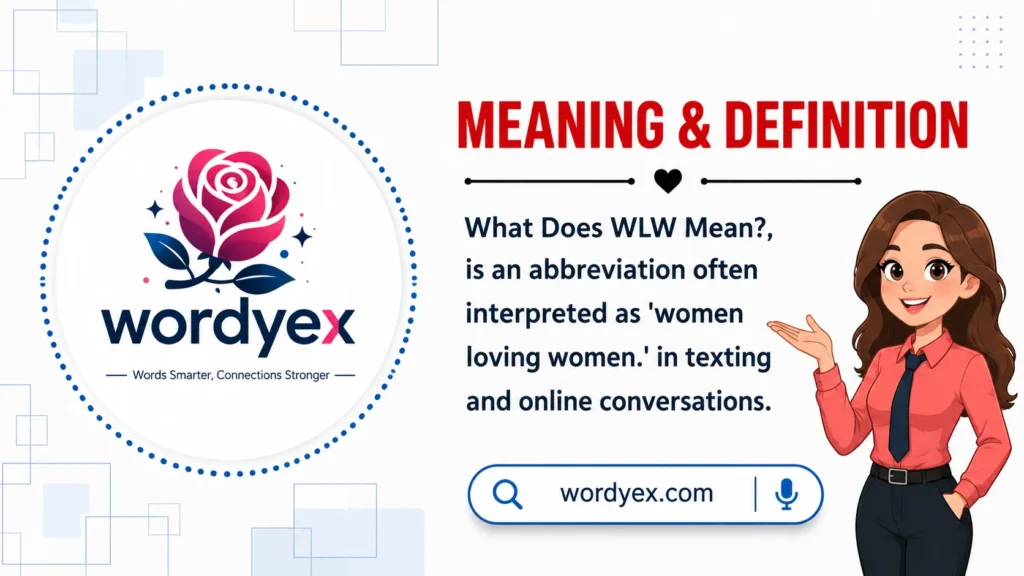
WLW adalah singkatan dari “Women Loving Women” (wanita yang mencintai wanita) — istilah payung dalam bahasa Inggris untuk menyebut perempuan yang tertarik secara romantis atau seksual kepada sesama perempuan, termasuk lesbian, biseksual, dan queer. Arti WLW ini populer digunakan di media sosial seperti TikTok dan Instagram sebagai cara yang inklusif untuk menggambarkan hubungan atau ketertarikan sesama perempuan.
Continue reading in English below ⬇
WLW stands for “women loving women,” a broad umbrella term used to describe any woman who is attracted to other women. It is a community-driven label that encompasses identities like lesbian, bisexual, pansexual, and queer, focusing on the shared experience of same-sex attraction.
WLW Meaning
If you have spent any time on TikTok or scrolling through Instagram DMs recently, you have likely come across the abbreviation WLW. It is one of those internet terms that has moved from niche community forums into the mainstream lexicon of Gen Z and younger Millennials. People search for this term because the landscape of modern identity labels is constantly shifting, and social media users want to ensure they are using the correct terminology to describe themselves or their friends. This search helps clear up the confusion between specific labels like “lesbian” and the more inclusive, community-focused “WLW.” Understanding these nuances makes digital communication much more respectful and accurate.
WLW – Quick Meaning
At its core, WLW is an acronym that functions as an identifier. It is not just about a specific sexual orientation; it is about a shared cultural space.
- It serves as a shorthand for women who have romantic or sexual attractions to other women.
- It is often used as a hashtag to find content, movies, or community discussions centered on sapphic experiences.
- Example 1: “I am looking for some good WLW movie recommendations for the weekend.”
- Example 2: “The representation in this book is perfect for anyone in the WLW community.”
- Example 3: “Are there any local WLW meetups happening in the city this month?”
Origin and Background
The term WLW gained massive traction through online platforms, particularly Tumblr, in the early 2010s, but it exploded on TikTok and Twitter as Gen Z began curating their own digital identities. It emerged as a response to the need for a non-restrictive label.
Unlike the term “lesbian,” which is sometimes viewed as exclusive, WLW allowed bisexual and queer women to find solidarity under one banner. The social media impact has been profound; by turning this identifier into a common hashtag, creators were able to build algorithms that connected like-minded people across the globe, effectively creating a “digital home” for these conversations.
Real-Life Conversations
Modern digital communication is where this term lives and breathes. Here is how it appears in everyday life:
Sarah: “Are you going to that pride event on Saturday?”
Maya: “Definitely! I saw a few other WLW influencers posting about it, so it should be a fun crowd.”
Jessica: “I just finished that new show on Netflix, the one with the WLW storyline.”
Chloe: “Oh, I love that one! The chemistry between the leads is so well written.”
Taylor: “Hey, do you know if this cafe is WLW-friendly?”
Jordan: “Yeah, it’s actually a huge hub for the community. You’ll definitely feel comfortable there.”
This trend is viral because it provides a sense of belonging in a digital age where people are searching for community. It strips away the pressure of choosing a rigid label and focuses instead on the experience of attraction and the shared desire for representation.
Emotional and Psychological Meaning
The term carries a deep sense of validation. For many, finding a label that feels “right” is a psychological milestone. Using WLW expresses a feeling of pride and belonging to a larger, historical lineage of women who have loved women. It reveals that modern communication is shifting toward inclusivity and broad-spectrum identity. I remember a friend once telling me that finding the term WLW felt like finally having a name for a feeling she had carried for years; it was not just a word, but an entry point into a support system.
Usage in Different Contexts
On social media, you will see it used frequently as a tag or a bio descriptor to help find community. In friendships, it is a casual way to signal one’s orientation without needing to explain the specificities of one’s dating life.
Professionaly settings, it is generally kept out of the conversation unless the topic is specifically related to identity or community advocacy, as it is a personal and social identifier rather than a professional one.
In casual settings, it is relaxed and confident; in serious ones, it serves as a straightforward, objective description of identity.
When NOT to Use It
While WLW is an empowering term, context matters. It should not be used to label someone else if they have not used the term themselves, as identity is personal. Avoid using it in contexts where it could be misconstrued as a medical or clinical diagnosis, as it is a social, not a medical, term. Additionally, ensure you are not using it to “out” someone who is not comfortable being open about their identity. Always prioritize the comfort of the person involved and maintain respect for personal boundaries.
Common Misunderstandings
One major misunderstanding is that WLW is exactly the same as being a lesbian. While many lesbians use the term, they are not identical. WLW is the broad category, while lesbian is a specific identity. Another confusion is tone; some people worry that using acronyms sounds robotic, but within this community, it is seen as efficient and welcoming. It is a literal term, not a figurative one, used to identify a demographic group.
Comparison Table
| Term | Similar Meaning | Opposite/Distinct |
| WLW | Sapphic | MLM (Men Loving Men) |
| Queer | Lesbian | Heterosexual |
| Bi | Pansexual | Straight |
Key Insight: While these terms often overlap, WLW acts as a specialized community umbrella that bridges the gap between various specific identities, fostering a sense of unity across the board.
Variations and Types
- Sapphic: A poetic term for women attracted to women.
- Bi: A specific attraction to two or more genders.
- Lesbian: Exclusive attraction to other women.
- Queer: A broad, reclaimed term for non-heteronormative identities.
- Pansexual: Attraction regardless of gender.
- Fluid: Attraction that changes over time.
- Polysexual: Attraction to multiple, but not all, genders.
- Omnisexual: Attraction to all genders with a preference.
- Questioning: Those currently exploring their labels.
- Asexual-spectrum: Those who may experience romantic attraction as WLW but not sexual.
How to Respond When Someone Uses It
- Casual: “That’s cool, thanks for sharing that with me.”
- Funny: “Got it! Honestly, I’m just trying to keep up with all the cool slang these days.”
- Mature: “I appreciate you telling me that. It’s good to know how you identify.”
- Respectful: “Thanks for clarifying. I’m happy to support your journey.”
Regional and Cultural Usage
In the West, WLW is widely recognized and used as a standard identifier. In some more conservative regions or cultures, the term may be less common or even misunderstood due to local cultural norms regarding gender and sexuality. Globally, the internet has allowed this term to transcend borders, but generational differences remain; Gen Z uses it as a badge of honor, while older generations might be less familiar with the acronym, having grown up with different terminology. For more in-depth looks at how digital culture evolves, you can check out resources like Wordyex.
Is It Safe for Kids?
WLW is a descriptive social term regarding human attraction. It is not inherently “unsafe,” but it is a topic of human sexuality. Context is key; it is appropriate for older teens and adults who are navigating their identities or looking for community. As with any topic related to identity, it is best handled with open communication and maturity.
FAQs
- Is WLW a new term? It has been evolving for years but gained mainstream popularity recently.
- Can men use the term WLW? No, it specifically describes women.
- Is WLW the same as LGBTQ+? It is a subset of the LGBTQ+ community.
- Why do people use an acronym instead of a full word? It is faster to type and easier to use as a hashtag for searching.
- What if someone doesn’t like the term? Everyone has the right to choose the labels that feel most comfortable for them.
Final Thought
At the end of the day, WLW is more than just an acronym; it is a way for people to find one another, share their experiences, and feel a little less alone. Whether you are using it to find community or simply trying to understand the modern digital landscape, it is a term rooted in connection. Language is always changing, and being open to these updates is a great way to stay connected to the people around you. Feel free to use the term with confidence, knowing it is a valid and widely recognized identifier for women who love women. For further reading on trending internet terms and their cultural impact, explore more at https://www.pewresearch.org/.